
Between 2024 and 2025, Energise Manchester teamed up with Longsight’s Queen Bee group to deliver a series of practical energy advice workshops — designed with the community, for the community.
The Queen Bee group is a women-only group based at Northmoor Community Centre, where women from mainly South Asian backgrounds meet regularly to share food, do arts and crafts, and connect. Energy advice isn’t usually on the menu — but thanks to a collaborative approach, that changed.
This group was one of several that Energise Manchester worked with during the programme. Notably, 67% of all participants identified as women and 40% identified as Asian or Asian British —an encouraging shift in a space where women, particularly from minority ethnic backgrounds, are often under-represented in home energy discussions and activities. Understanding what motivated their participation, what aspects of the programme resonated, and the impact it had is essential to identifying what made the Energise Manchester approach effective.
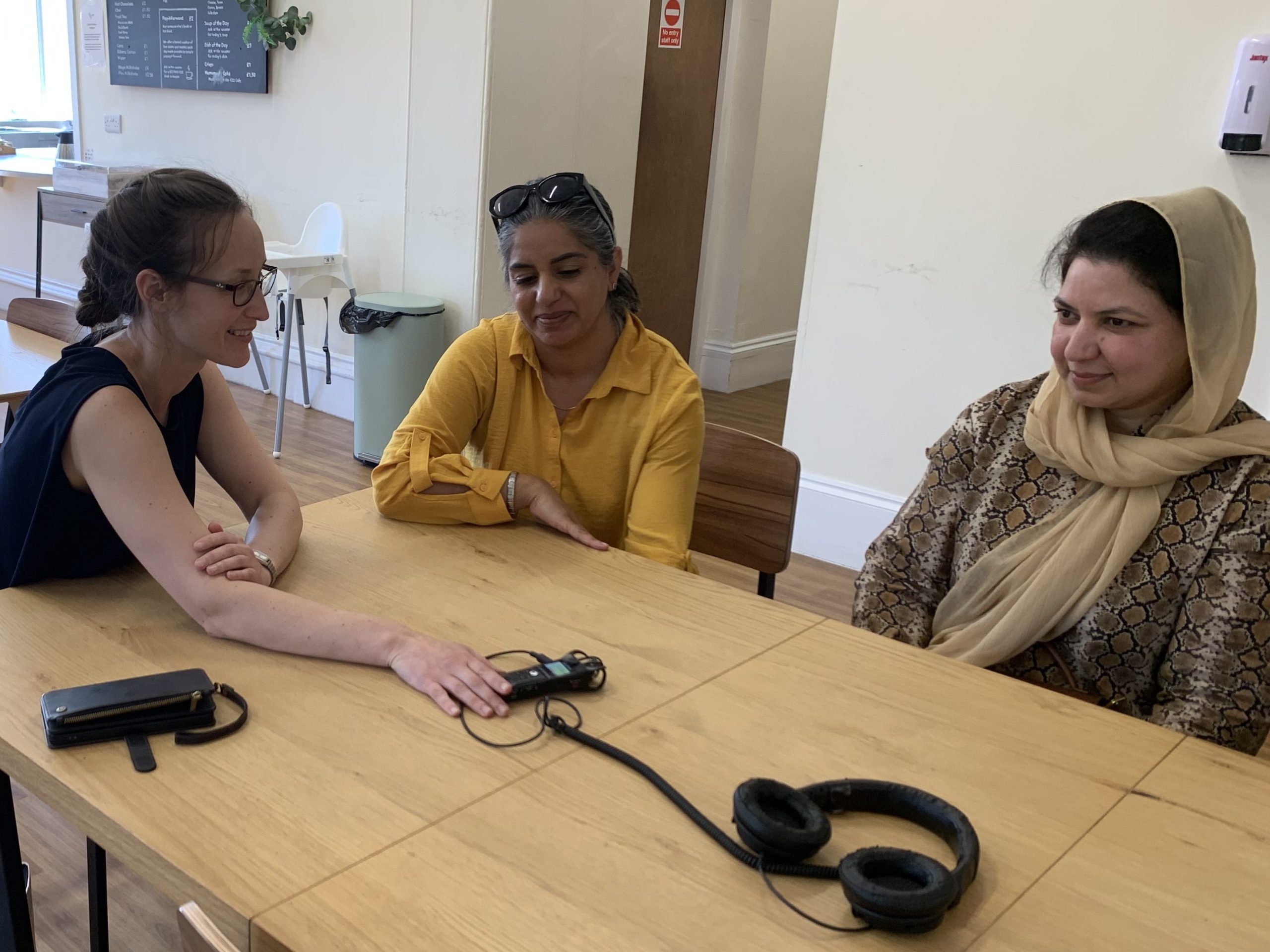
We spoke with four members of the Queen Bee group to hear directly about their experiences, their reasons for taking part, the changes they made as a result—and what they want policymakers to understand about engaging women in community-led energy initiatives.
Key takeaways
The Energise Manchester–Queen Bee Group partnership demonstrated how community energy advice can be both impactful and inclusive when it’s rooted in respect, listening, and collaboration.
Key lessons include:
1. Trust Is Built, Not Assumed
- Not taking community groups—or their time, needs, and insights—for granted is essential to building authentic, trusting relationships.
- Delivering meaningful support required the team to reflect on and challenge their own conscious and unconscious biases.
- Engagement worked because it began with listening, not prescribing, and was shaped through ongoing conversations with trusted community leaders.
2. Design With, Not For
- Taking time to understand the group’s interests, concerns, and current level of understanding around home energy laid the foundation for a relevant and effective programme.
3. Make Learning Practical and Relatable
- Sessions focused on hands-on, low-cost actions that participants could realistically take—like managing damp, using draught-proofing tools, or adjusting heating habits.
- Facilitators used personal experiences to demystify technical advice and foster a sense of solidarity: “we’re all in this together.”
4. Use Familiar, Trusted Spaces
- Holding workshops at the community centre during regular Queen Bee gatherings, with translation support from within the group, ensured a welcoming, inclusive environment.
- Sharing food and stories together helped turn advice sessions into meaningful community experiences.
5. Empowerment Leads to Action
- Women felt more confident taking steps at home and sharing their learning with others. Many reported small but powerful changes—from using hygrometers to airing out damp rooms.
- Feeling capable—especially for those new to DIY—was described as “empowering” and a source of independence.
Beginning by making a connection
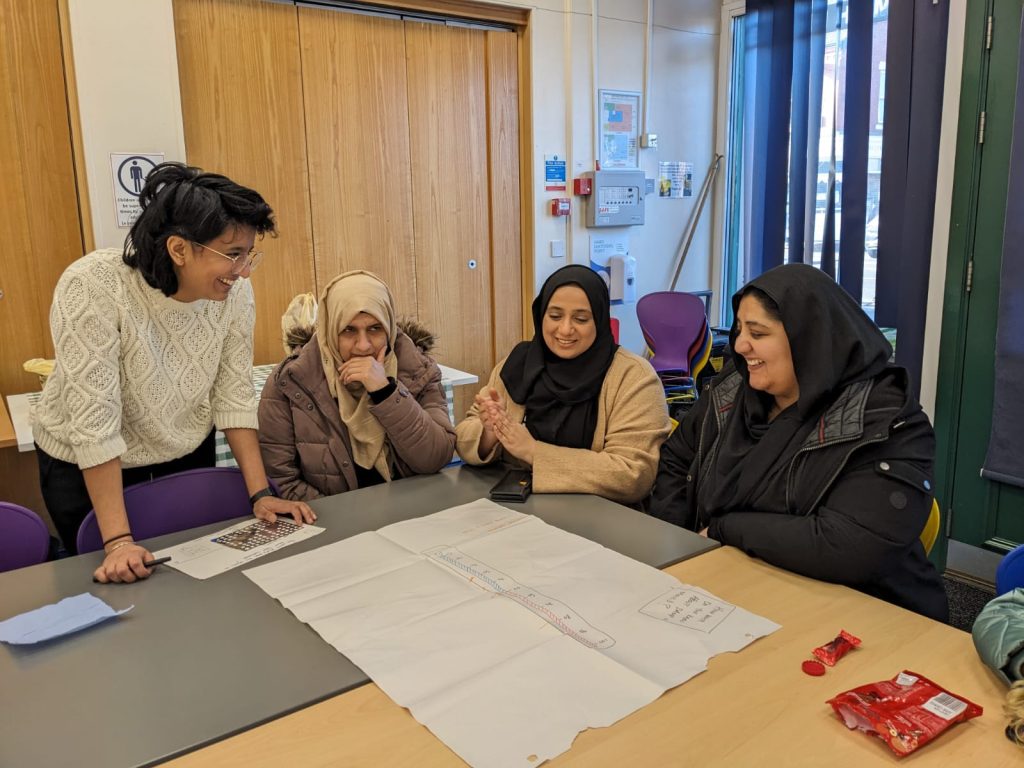
The connection with the Queen Bee Group started when the Energise Manchester team reached out to David, the Centre Manager. He introduced the team to Naheed, the group’s Coordinator, and from there, a few friendly conversations flowed. Through these chats, the team and the group got to know each other better, learned about their needs, and figured out if energy workshops would be a good fit. The approach felt different enough to Naheed that she decided to give it a go. While she’s often approached by people wanting to engage with South Asian women, this was the first time she felt like she wanted to invite them to speak with the wider group.
‘I usually say no …I would get approaches that are coming because they are ticking a box. [Energise Manchester] was on-going’.
Watch our video explaining how we built relationships with communities in our Street-Based Engagement video.
Rooted in Community, Designed for Real Life
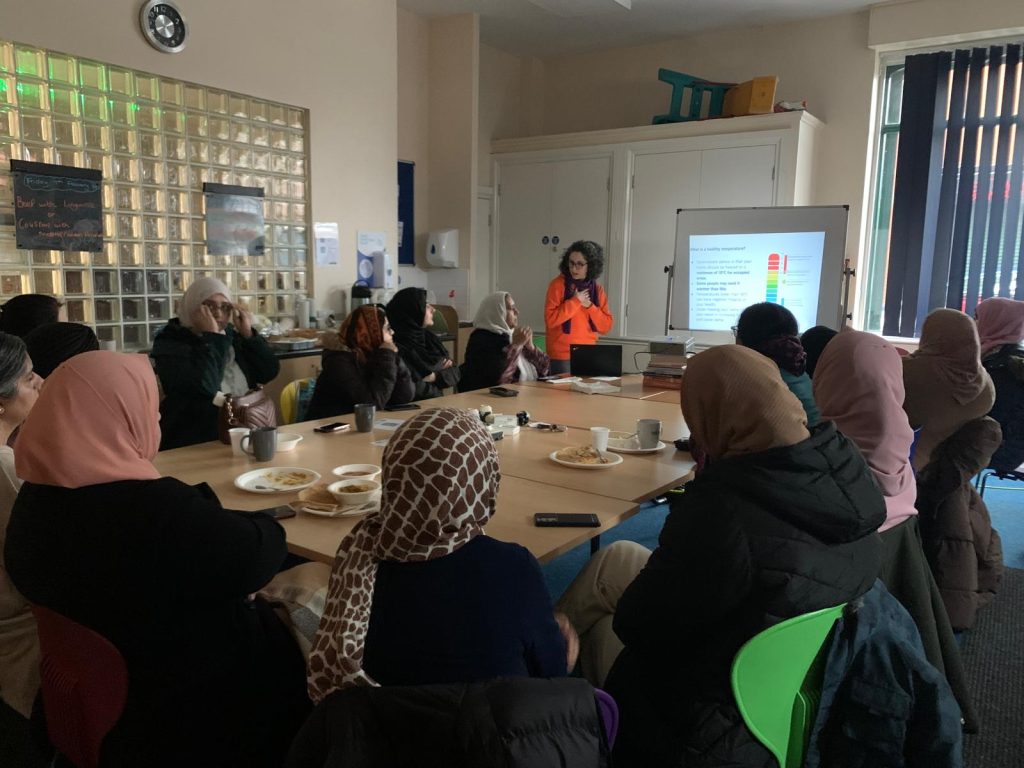
Over five sessions, women explored issues like damp and mould, draught-proofing, and managing home heating systems. The sessions were informal, hands-on, and built into the Queen Bee’s regular gatherings — making them accessible and non-disruptive.
The first session tackled damp and mould — a real concern in Longsight and one that drew-in new attendees. Word-of-mouth and posters in the centre helped bring in a few additional faces, showing the power of community-led outreach.
Watch our video to learn more about how we created our community-hub workshop programme in our video series.
What Made the Workshops Work?
The feedback was clear: it wasn’t just what was taught—it was how.
- The tone was conversational, engaging, and interactive, rather than formal.
- The advice was pitched at the right level, focusing on practical actions participants felt they could take, without being too technical.
- Facilitators brought not only their expertise but also personal experience, creating a sense of solidarity—’Aneaka took pictures of her own house…. It was nice thing, like saying we’re all in this together…. Even though I’ve got all these skills, it still affects my house.’
- The workshops were scheduled at times that suited the group ‘when the kids are at school’ and during their regular meeting times, ensuring everyone could participate without disrupting their routines.
- Learning took place alongside peers in similar situations, fostering a comfortable environment where participants could share experiences, learn from each other, and pick up practical tips they could realistically apply at home— ‘There were no airs and graces. Everybody had damp, No-one could say I’m a millionaire, I have the best house in Longsight, I don’t have damp. We all have it. It was shared’.
- Translation support was led by someone from within the community, using a familiar language that made the workshops more inclusive. – ‘It was women from our group who were asked to do it…We communicate in that language anyway, so it’s not at different dialects and it’s at the level we understand’.
- The community centre’s trusted setting helped build rapport and trust— ‘Would you have engaged if [the workshops] hadn’t come through a community centre?’ ‘No I wouldn’t have’.
- The workshops took place over food, creating a relaxed and welcoming atmosphere.
‘I think it was really important the way that Energise worked with us in the way that it did. They didn’t expect women to go to them. I always think our group isn’t hard to reach. It’s just about how you make the effort to reach out to us. I think it was powerful, really powerful.’
‘Even though some people are shy they don’t want to talk or something. They participate and they talk and they enjoy the class.’
From Knowledge to Action
The women applied what they learned by putting it into practice at home. Take-home tools—such as protective safety gear, hygrometers (measuring indoor humidity levels as well as temperatures), and draught-proofing gadgets—helped them get started with actions they felt confident and capable of doing.
During the interviews, several participants shared examples, including:
- Stopped drying clothes indoors to reduce moisture in the air, something that’s often a cause of damp
- Repaired a leaky attic doors to help keep heat in the home
- Made mould sprays and cleaned the affected areas at home
- Used thermometers to monitor temperatures during the space heating season
- Adjusted heating routines to reduce humidity and avoid excessive heating.
‘I’m not very good at this kind of stuff, not anything DIY…. but having been shown how to do something and actually doing it, is very empowering. It means that we’re not dependent on anybody…. having those little skills… makes you think differently, and it gives you power that knowledge.’
Sharing the Learning
The impact didn’t stop at the workshop. Women passed on tips to parents, partners, and children, encouraging small but meaningful household changes. Heated blankets replaced full-room heating. Windows were opened to let excess moisture escape. Conversations about comfort and energy started to flow.One participant described how they passed on advice about managing humidity and adjusting heating schedules to improve comfort, support health, and reduce bills:
“Before I would have just got on with it, as I wouldn’t want to offend anybody. I think [the workshops] have really helped.”
Barriers That Still Exist
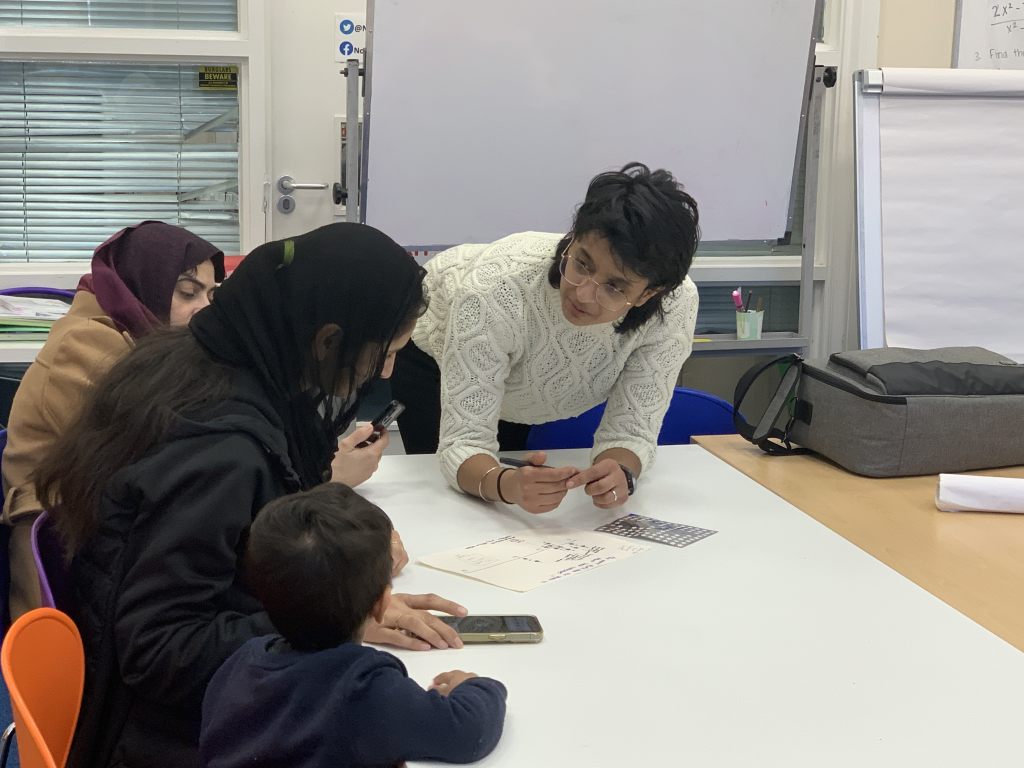
While the sessions were empowering, women spoke honestly about what still gets in the way:
- Poor-quality rental housing and unresponsive landlords mean that issues that also impact the energy use in the house and that residents know all too well, remain unresolved.
- There is a lack of funding for those who don’t live in rental properties, aren’t receiving benefits, or don’t live in the lowest energy-performing homes, yet still struggle to afford home energy efficiency improvements.
- Sometimes, it takes hearing information several times before acting.
- There is uncertainty about how to assess and monitor the work of contractors doing energy efficiency improvements, particularly when the work is hidden, such as a damp proof course— ‘when we bought our house damp was an issue… and we had to have a damp course done. ….…you’re relying on them to be honest,… I just think we threw that money away, because I don’t even know if it was successful.’
- People feel uncertain about taking on more involved DIY tasks— ‘I don’t feel brave enough to [draught-proofing tape] because I can just see the tape being everywhere but where it should be.’.
- A lack of support at home makes certain changes feel difficult or unmanageable.
- The overwhelming energy advice systems make it hard to access support, with one person sharing how they’d spent hours on the phone and getting very little useful advice in return.
- Some participants described a tendency to accept their housing conditions rather than push for repairs or improvements, reflecting both resilience and resignation. While this can be a show of strength, it may also lead people to endure unsafe or unhealthy environments. Tackling this requires sensitive, culturally aware engagement and long-term trust-building to help residents feel empowered to seek better living conditions. – ‘Because sometimes I think, we just take it, you know, if we take a house on for example, we just accept that this is going to be an issue we don’t ask for it to be resolved.’
Queen Bee Perspectives: What Policymakers Need to Know
With the workshop program in the back of their minds, the interviewees shared their ideas for what better energy support could look like:
- With user-centered engagement and support, communities are willing to go beyond small-scale energy efficiency fixes and take on whole-house energy upgrades – ‘Because it’s all about climate change. You know, light bulbs are okay but it’s only the tip.. .We could be doing more’.
- Higher minimum energy and repair standards for all homes that are properly enforced and monitored – ‘then they know that the children are safe’.
- Home energy efficiency advice from trusted sources who oversee the work and take a whole-street approach, so everyone sees the improvements happening together– ‘It’s got to be a reputable organisation because, for example, with the energy grants, I get so many people coming to the door. And I know people they’ve signed up and ended up with shoddy workmanship. It’s got to be monitored and, and made sure that the work is right.’
- Local support delivered through trusted community centres.
- Regular, repeat workshops to build understanding and confidence over time.
- Accessible, multilingual local advice hubs.
- Free or low-cost loanable tools and materials to support people in taking action.
“”LEAD was about piloting an innovative approach to energy advice that could support knowledge and action by householders from underrepresented communities. As a team we quickly realised that to go above and beyond our current engagement approaches we needed to be open to challenge our assumptions. Through this in-depth work, we learnt the importance of supporting a diverse energy advice delivery team to help householders see themselves represented and to help build meaningful and trusted relationships”..”
Lorenza Casini, Energise Manchester Project Manager
Reflection
This partnership showed what’s possible when energy advice meets real life. When the sessions are informal, familiar, and rooted in trust, learning happens — and so does action.
Because when you empower one woman, it can influence a whole household.
Learn more about our process
By using behaviour change design focused on the needs of our local communities, we created a user-centred programme that truly resonates.
Want to learn more about our approach? Watch Sandy Rushton, User Researcher at People Powered Retrofit and the lead on our design work, as she explains our process.
For the full video series visit our youtube playlist, Energise Manchester: Energy Advice Insights.